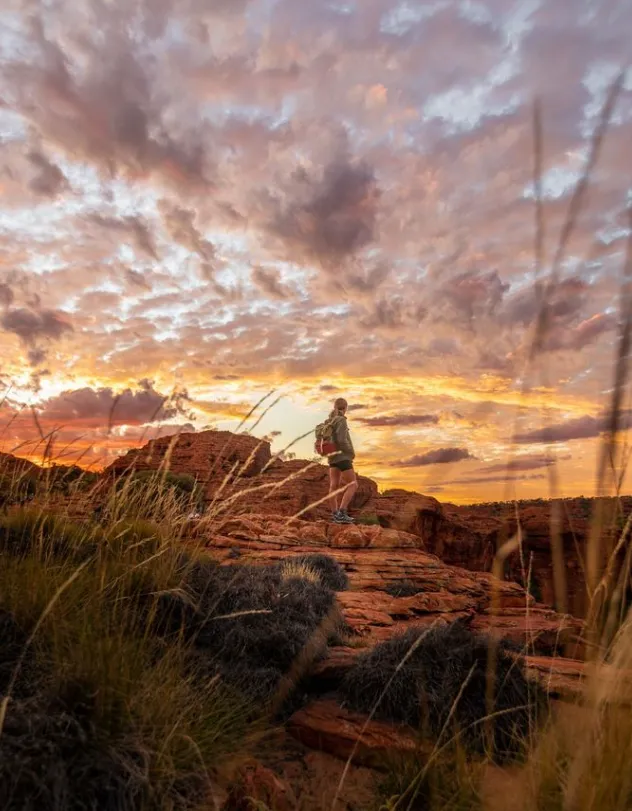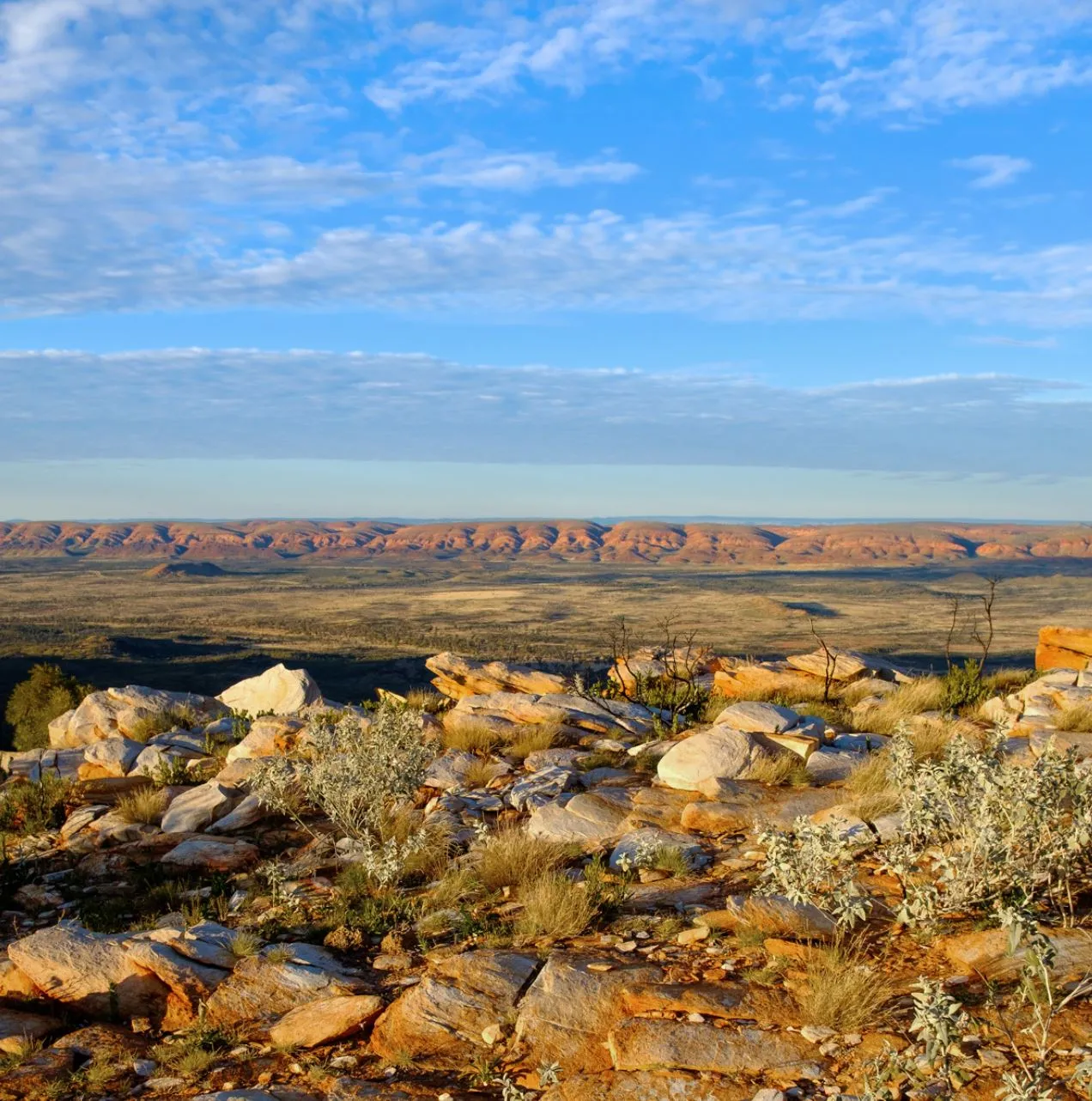
I dump my pack onto the red dirt as we get to the big question of Guided vs Self-Guided: Which Larapinta Option Is Better Value? and I can tell you this — the answer looks simple until you’re standing on Tjoritja National Park’s rocky spine staring west towards Mount Sonder.
I’ve walked the Larapinta with groups, I’ve gone self-guided from the Alice Springs Telegraph Station, and I’ve watched plenty of hikers misjudge everything from water tanks to food drops.
Out here in Central Australia, the wrong choice can turn a dream walk into a rough-as-guts slog.
A good guided tour removes the guesswork — logistics handled, meals sorted, and expert tour guides who know when Hugh Gorge is slow going or when the Finke River is running after a storm.
A self-guided walk? You save money, set your own pace, and get that full-wool independence the Larapinta is famous for.
Let’s break down the real value so you know what you’re paying for — and what you’re signing up for.
Redefining “Value” on Australia’s Great Walks
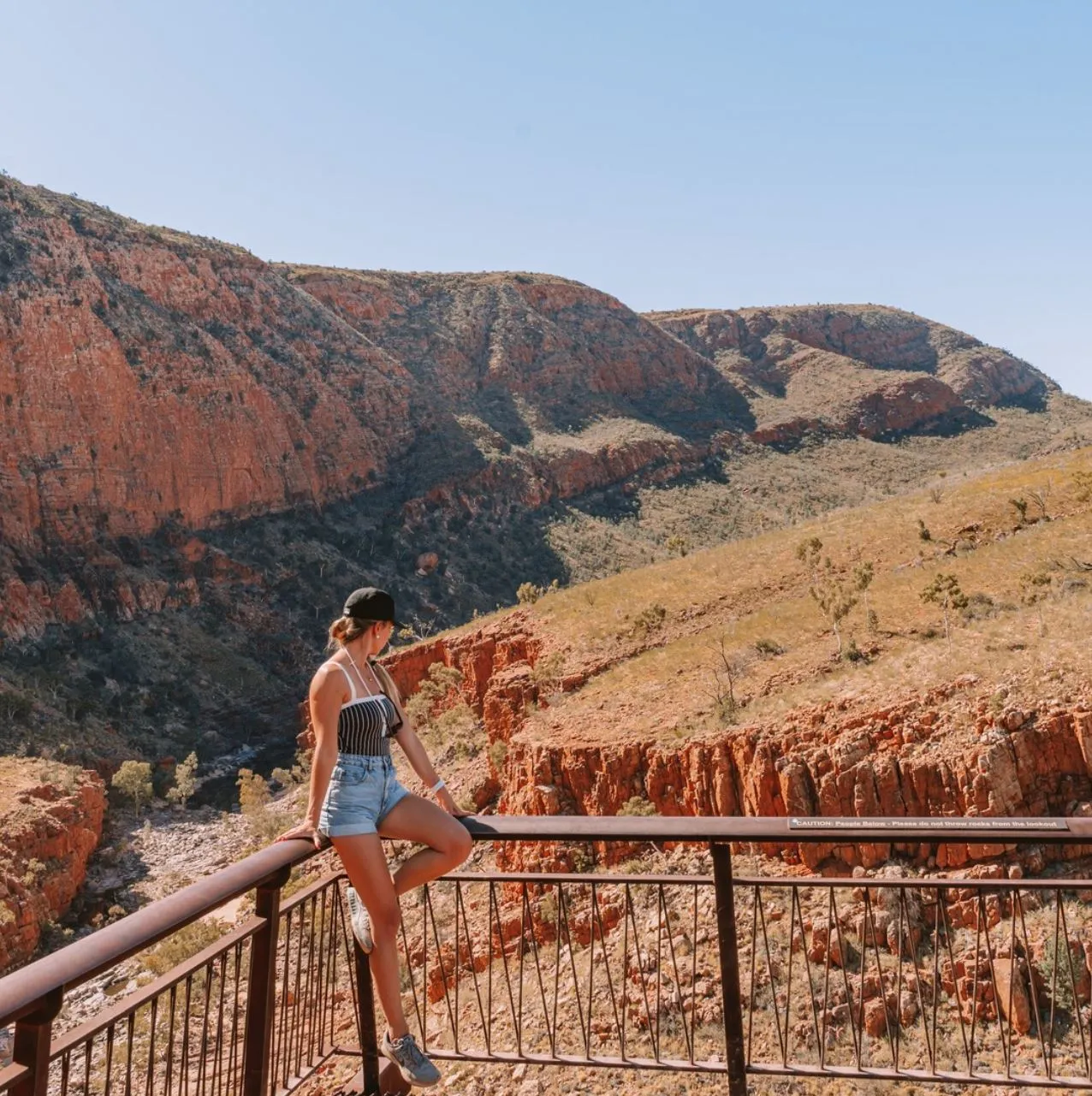
When we talk value out here — from Ormiston Gorge to Redbank Gorge — we’re not just talking dollars.
We’re talking energy, safety, planning load, how battered your knees feel on rocky terrain, and whether your sleeping bag actually keeps you warm on a -2°C night.
The Larapinta Trail is a proper desert track:
- Long exposed ridgelines like Euro Ridge
- Scrambly sections like Inarlanga Pass
- Boulder-hopping near Serpentine Gorge
- Water crossings after rare rain events
- Campsites with variable camping fees and limited shade
You’re also walking on Arrernte Country, through West MacDonnell National Park (Tjoritja), near fossilised stromatolites, ancient river systems and some of the most culturally significant sites in Australia.
Value is more than cost — it’s confidence, context, safety and how you cope 200 km from the coast with nothing but GPX tracks, trail notes and a Garmin InReach to call for help.
The Value of Guided Tours: Paying for Expertise, Safety & Simplicity
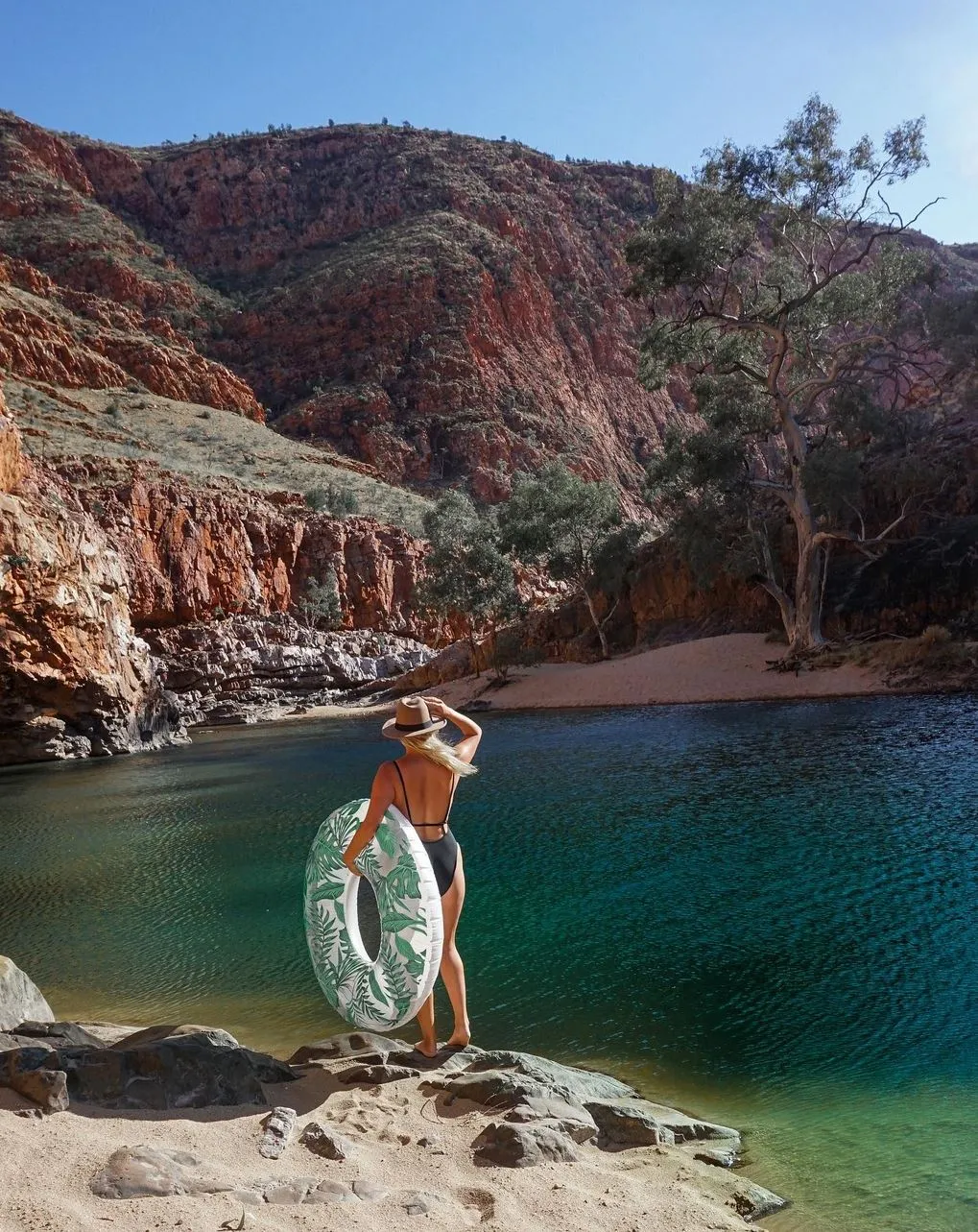
Guided walking on the Larapinta Trail — with Trek Larapinta, World Expeditions or other tour companies — gives you structure, logistics and a guided group walk that takes away almost all the planning headaches.
Why Guided Walking Delivers Strong Value
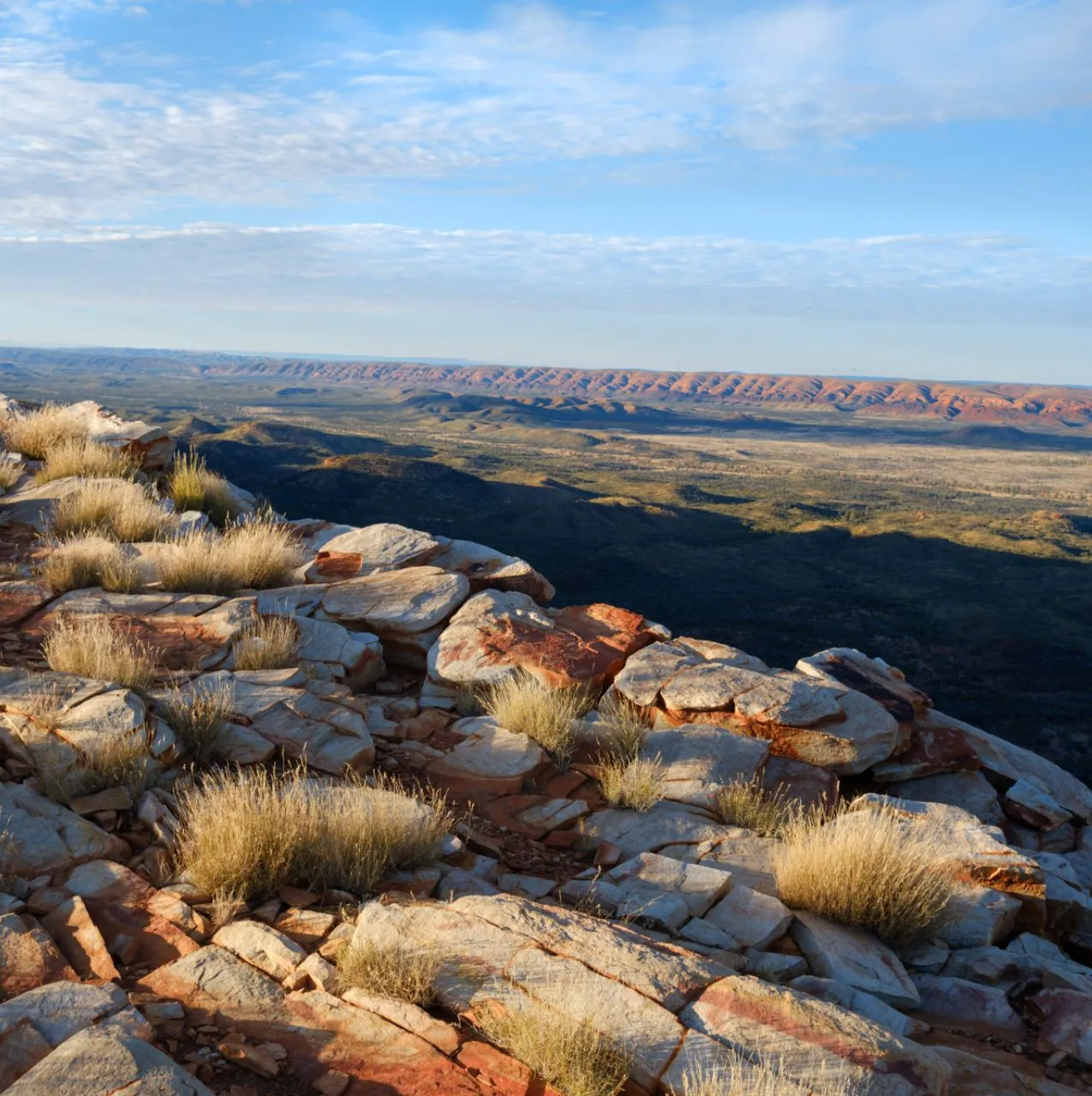
A good guided tour means you don’t have to worry about:
- Water tank levels
- Track variations between Ellery Creek South and Serpentine Chalet
- Food drops
- Transfers to Glen Helen Gorge, Birthday Waterhole or Redbank Gorge
- Emergency communications
- Cultural interpretation
- Route notes and navigation
You walk with a daypack while your gear travels ahead.
Meals are actual meals — not another dehydrated curry you forced yourself to like on the South Coast Track.
You also get guides who know:
- When to avoid exposed ridges
- How to interpret Arrernte Country respectfully
- Where are the safest water crossings are
- Why do some sections require light rock climbing or canyoning-style scrambling
- Which campsites are sheltered from the wind blasts
With a team like Larapinta Trail Trip, you get trained guides, cultural context, solid safety systems and stress-free walking across some of Central Australia’s toughest country.
What Guided Tours Cost
| Guided Tour Option | Inclusions | Approx. Cost (AUD) |
|---|---|---|
| 6-Day Highlights | Guides, meals, transfers, private camps | $3,500–$4,600 |
| 9-Day End-to-End | Full track support, food drops, safety gear | $5,500–$6,900 |
| Premium Eco-Camp | Hot showers, chef-prepared meals | $7,000–$9,000 |
You’re paying for comfort, safety, and cultural interpretation — not just logistics.
Why Self-Guided Walking Matters
If you’re comfortable with navigation, logistics, heat management, and carrying full pack weight between water tanks, the self-guided approach absolutely wins on cost.
But it demands proper preparation — and humility.
Why Some Travellers Choose Self-Guided
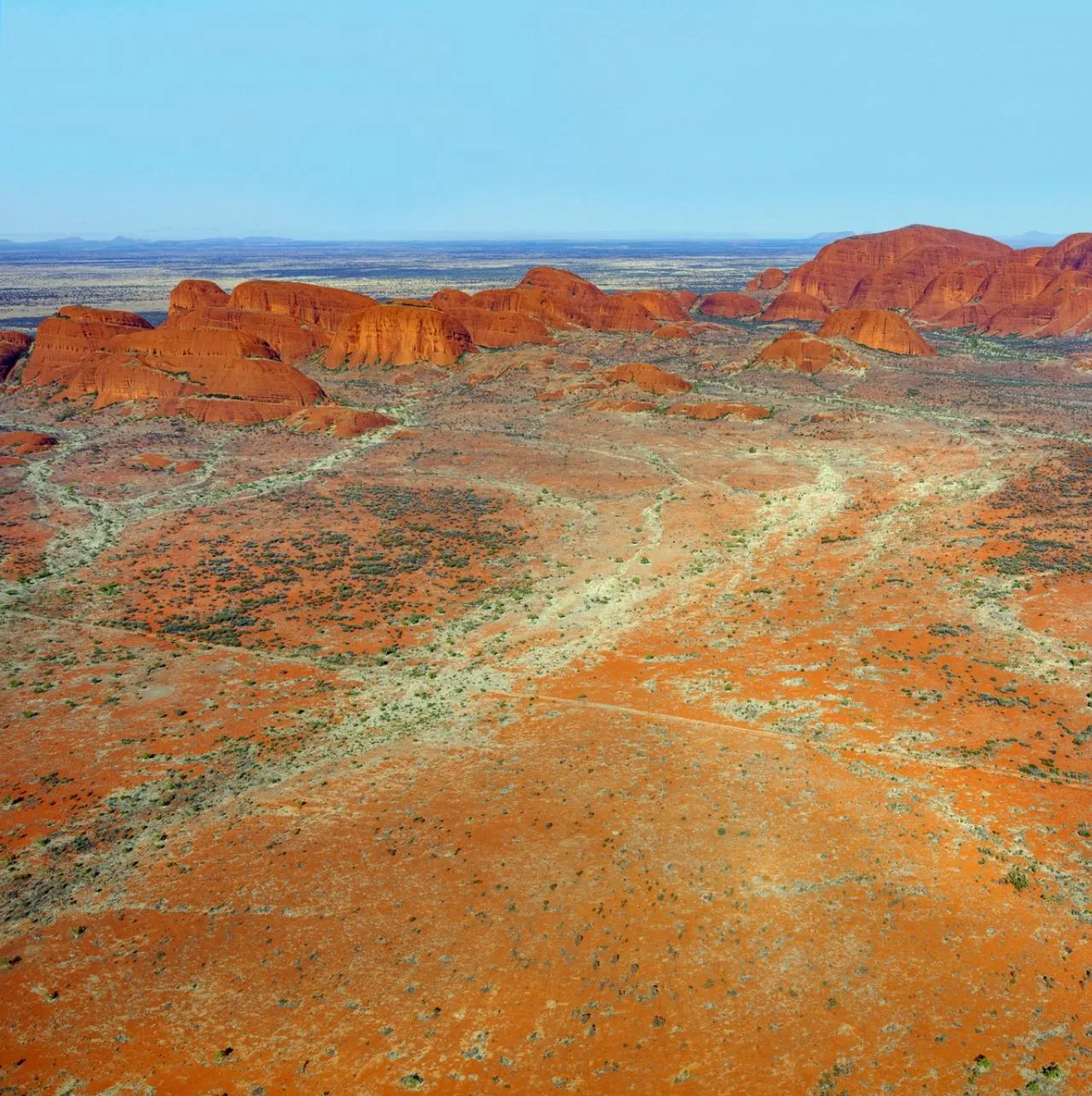
Self-guided walking is great because:
- You get to set your own schedule – the slow pace or the mad dash, it’s up to you
- You can pitch up your tent at quieter spots like Ellery Creek South – not like those crowded campsites
- You get to call the shots on how far you walk each day, depending on how hot it is or how knackered you’re feeling
- You can take in the breathtaking views of the West MacDonnell Ranges all by yourself – peace guaranteed
- The only thing that’s really tailored is your holiday to your own priorities – and the rest is up to you to figure out
But at the end of the day, you’re on your own – no navigation app, no GPX file, no route notes, no water calculations or food drops to worry about.
Sorry, no saviour guide to bail you out if things go wrong
Self-Guided Cost Breakdown
| Expense | Est. Cost (AUD) |
|---|---|
| NT Parks Entry Fees + Camps | $110–$200 |
| Food Drops | $350–$700 |
| Gas + Trail Food | $200–$350 |
| Transfers (optional) | $200–$500 |
| Gear Upgrades (sleeping bag, solar chargers, etc.) | $300–$1,000 |
| Total | $900–$2,200 |
If you already own quality gear — or live near a hiking gear shop — your costs can be far lower.
Guided Vs Self-Guided: Real-World Comparison
Here’s what you’re actually paying for:
| Category | Guided | Self-Guided |
|---|---|---|
| Cost | High | Low |
| Safety | Very high | Depends on experience |
| Navigation | Handled by guides | You manage apps + GPX |
| Food | Fresh, cooked | Dehydrated or DIY |
| Pack Weight | Daypack only | Full pack |
| Cultural Context | Strong | Limited |
| Flexibility | Fixed itinerary | Maximum freedom |
| Logistics | Handled | All on you |
| Risk | Low | Higher, especially in еру heat |
Both options can deliver huge value — but for very different reasons.
Key Factors That Change the Value Equation
If the Larapinta Trail is your first long walk, guided tours are a gift.
If you’ve done trails like the Tour du Mont Blanc or the Jatbula Trail, you’ll enjoy the independence.
The Season
The Red Centre doesn’t care about your plans.
June–August: Best time
May & September: Manageable
October–April: Deadly heat
Self-guided walkers must manage heat.
Water Tank Reliability
NT Parks does a great job updating tank levels, but “full” doesn’t mean quality.
Guided tours monitor and plan around this.
Self-guided walkers must never assume.
Cultural Respect
Guides bring Arrernte stories, place names and Country awareness.
Self-guided walkers must do their own research and follow access protocols.
My Straight-Shooting Verdict
After many years walking Central Australia’s tracks, here’s my honest take:
Choose a Guided Group Walk If:
- You want zero logistical stress
- You value cultural context
- You’re new to long-distance hiking
- You prefer hot meals to dehydrated packets
- Safety is a significant concern
Choose a Self-Guided Walk If:
- You’ve done remote walks before
- You want freedom and independence
- You’re confident with navigation apps and GPX tracks
- You’re comfortable carrying a full pack
- You’re budget-conscious
It’s not about the “better” option — it’s about the better choice for you.
FAQ
Is the Larapinta Trail more challenging than other Aussie walks?
Yes — more technical than the Cape to Cape Track and longer than the Jatbula Trail.
The terrain is rocky and exposed.
Do I need a permit or entry fees?
Yes.
NT Parks requires a trail pass and campsite bookings for designated areas.
Are food drops essential for self-guided walkers?
Almost always — unless you’re walking short sections only.
Do I need a Garmin InReach or similar device?
For self-guided hikers: yes.
Coverage is limited.
Can beginners do the complete end-to-end?
I wouldn’t recommend it.
Try sections between Standley Chasm, Ormiston Gorge or Glen Helen first.