
Kings Canyon in Watarrka National Park in the Northern Territory is an Aussie legend. This amazing canyon is famous for its sandstone walls and landscapes but also for its plants. With so many native plants adapted to the desert environment, Kings Canyon is a once-in-a-lifetime chance to see the variety of plant life in one of Australia’s most famous deserts. This will take you through the plant species found here, what they mean to the ecosystem, and how they survive.
Outback Oasis — Kings Canyon’s Secrets
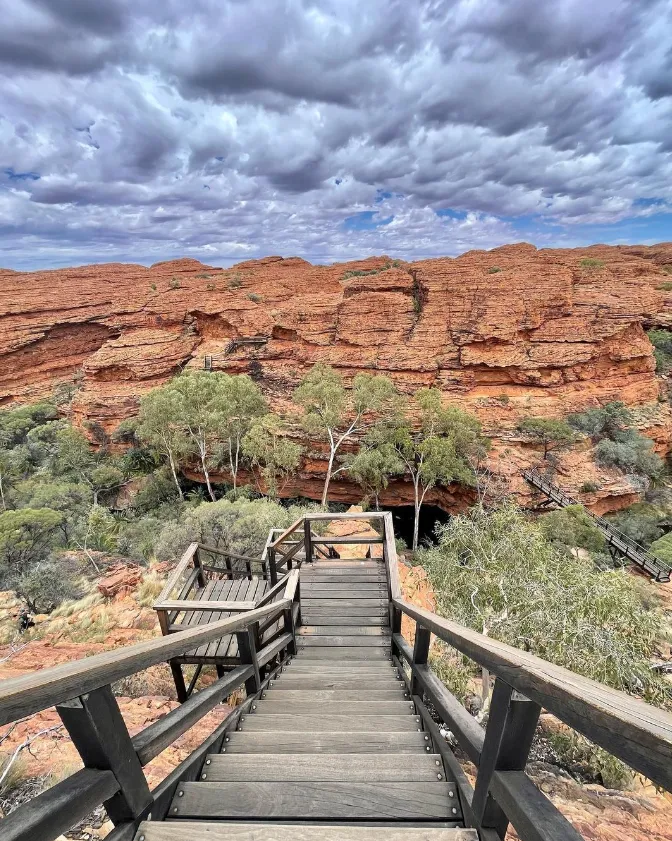
Kings Canyon is like nowhere else in the outback and unlike the desert around it with acres of greenery. This is a haven for plants like desert oaks, acacia trees and broadleaf trees and many more. The abundance of pink and green flowers at permanent waterholes like Kathleen Springs and Kings Creek is a weird sight against the desert sand all around.
One of its best features is the dramatic sandstone walls and deep gorges with steep sides that have different ecosystems. The south wall of the canyon from the Kings Canyon Rim Walk is great for views and for seeing flora from this perspective only.
Flora In The Ecosystem

The ecosystem of Kings Canyon is plant-based. Soil stabilisation, water retention, and habitat creation are some of the functions performed by native plants, such as broadleaf trees, giant sequoias, and other vascular plants. These drought-tolerant plants can withstand high temperatures and keep snakes, desert skinks, walking lizards, etc., alive by providing shelter and food for them in harsh conditions (Schodde 2007). Thorny devils and Australian kestrels are animals that live in these ecosystems, showing how plant-animal interdependencies occur here.
Kings Canyon Location And Access
Kings Canyon is in Watarrka National Park, 300km southwest of Alice Springs, and Mereenie Loop Road is the entry point to this area, so you will pass through some beautiful Australian desert country. Getting to Kings Canyon is an adventure and requires rough terrain and/or severe drought and aridity so visitors need to be prepared whether staying at Kings Canyon Resorts or hiking the Kings Canyon Rim walk.
Climate And Landscape
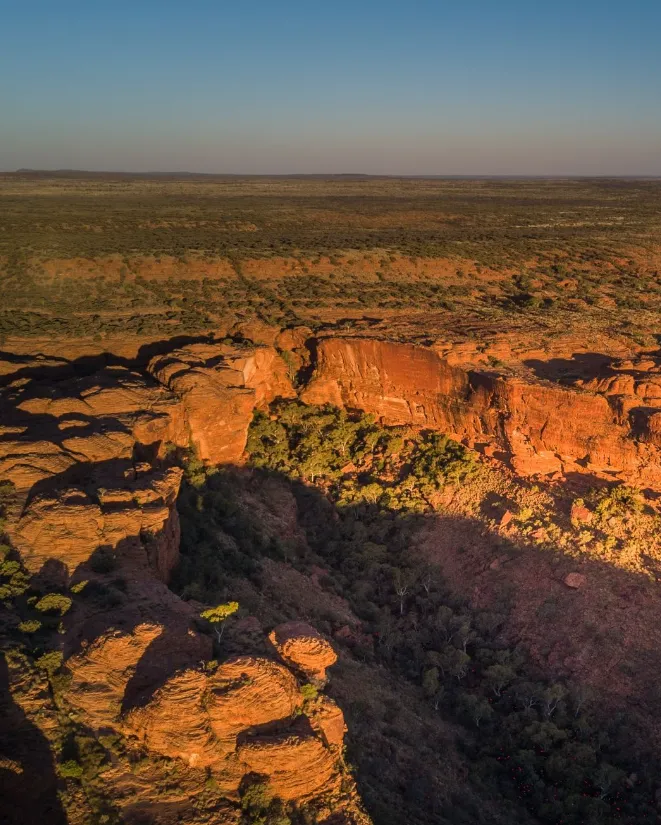
Desert
Kings Canyon has a hot and dry climate with big temperature fluctuations. The desert landscape is tough with intense sun and no rain and has a big impact on plant life. Plants here have adapted to these conditions with deep roots and leaves that can withstand drought (Australian Government 2017). The canyon is dramatic with dry river beds and steep sides and shows how tough the local flora is.
Desert Sand’s Effect on Plant Life
Plant life in Kings Canyon is controlled by desert sand and dryness. Soil can be disturbed by sand movement and become nutrient-poor, so what can live here is limited. The desert oak is one of the plants that have adapted to this by developing roots that can get water from very little. Kings Canyon Flora Showing Adaptation and Diversity
Different parts of the canyon have different ecosystems, from areas like Kathleen Springs, where permanent water holes have lush vegetation, to drier sandy areas within the canyon. Garden of Eden has water all year round but is still in a very dry area. These ecosystems are full of diverse plants that show how life is balanced in this wilderness.
Kings Canyon Flora

Kings Canyon in the Australian Outback is renowned for its flora. This world heritage listed area has many native plants growing on its ancient rock walls and cliffs. Some areas are hotspots because they support some plants that are “endangered”.
Ancient Rock Formations and Flora
Beyond the scenery and views, the high walls and deep gorges of Kings Canyon support many types of vegetation. In these rock formations there are microclimates that create safe havens for species that can’t survive elsewhere. They have bare sandstone surfaces and hidden crevices where many species, including some rare ones found elsewhere in Australia, can grow.
There are ancient cycads that are millions of years old, desert oak, and ghost gum with white bark that grow in unique patterns.
Native Plants and Ecosystems
There are many native plants in Kings Canyon as part of the ecosystem. Monkey flowers and acacia trees are the foundation of the ecosystem. Wildlife in this area feed on these plants and create a life web that fits this environment.
The monkey flower is beautiful and can withstand the harsh canyon conditions. It’s a food source for native insects and birds. The acacias are shelter or food for kangaroos and wallabies.
Hiking trails and scenery
When you visit Kings Canyon one of the best ways to see the flora is to hike the trails. The Rim Walk is one of these trails that gives you a view of the canyon and the vegetation. The Kings Creek Walk takes you into the valley and shows you the plants along the way.
The light on the walls of this canyon is always changing. At different times of the year, different flowers bloom, and new botanical magic appears in the gorge.
The Garden of Eden
In Kings Canyon is a green oasis called the Garden of Eden. This area is very wet and is in contrast to the dry surroundings, which have thick forests and intense plant life that make it so peaceful.
Fertile Plant Life and Adaptation
The Garden of Eden
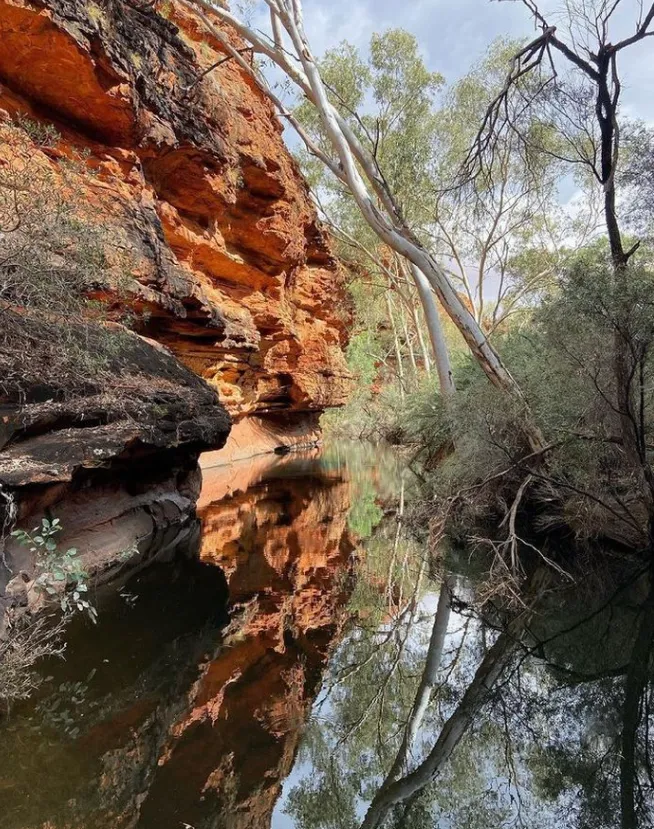
In the Garden of Eden of Kings Canyon there’s a lot of plant variety that have evolved to live in these conditions fed by natural springs like Kathleen Gorge. The grassy vegetation here shows how local plants can thrive in tough conditions.
This area has many species that have adapted to specific environments. For example some flowers around waterholes are green instead of flowering and add to their distribution to overall ecological diversity.
Plant Life Supported by Springs
Waterholes fed by these springs are important because they support lush plant growth in the Garden of Eden of Kings Canyon. Through these water features plants get a constant supply of water to survive in otherwise dry conditions. Wildlife thrives where there is water so complexity in ecology is promoted.
For visitors walking through the gallery forest of flowerbeds, The Garden of Eden is a peaceful place and quiet for its surroundings. The Garden of Eden is one of the best spots in Kings Canyon as it’s a rare example of adaptation to desert and other harsh conditions.
Plant Staples and Bush Tucker
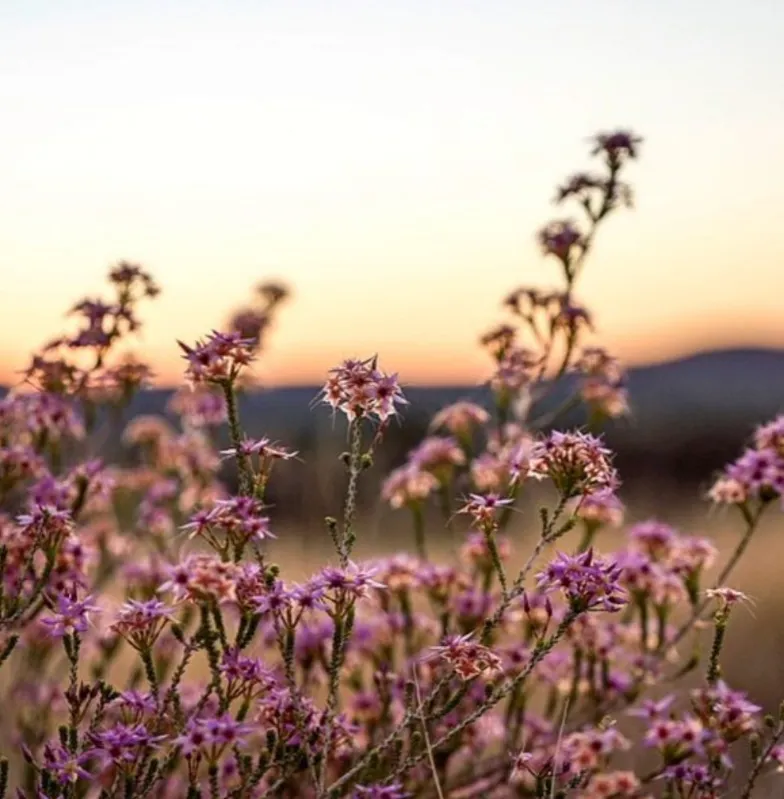
Kings Canyon’s flora is important to its Indigenous people. Many Aboriginal bush tucker plants have been used for food and medicine by the Luritja for thousands of years.
Traditional Use Of Native Plants
Acacia trees and some medicinal herbs are examples of native plants used by the indigenous people for food. Seeds and barks of this tree was a food source for the Aboriginal people. Leaves and seeds are used in dishes and bark has healing properties.
In this area there are herbs that can cure some sicknesses, shows how much they knew their environment. They are part of the traditions that still practiced today and nutritionally important to the local groups who uses them.
Cultural Heritage and Traditional Practices
You can see the connection between Native Australians and the plants they use in their traditions by using indigenous plants in traditional practices. This knowledge has been passed down through generations and is part of the cultural heritage. Today, this traditional knowledge is acknowledged and respected as part of the area’s history and culture.
Visitors to Kings Canyon can learn about the cultural significance of these plants by learning from local Indigenous guides and joining cultural Kings Canyon tour. These will give you a deeper understanding of the Aboriginal people’s connection to their land and the traditional use of native flora.
FAQ
When are the plants at their best in Kings Canyon?
April to October is the best time to visit Kings Canyon to see the plants.
How do I prepare for the tough conditions in Kings Canyon?
Wear the right gear and sun block and drink plenty of water. Bring enough water, as the Kings Canyon Rim walk is very tough.
How do the native plants work in Kings Canyon?
By holding soil, maintaining water levels, providing habitat for wildlife species and supporting life systems through food chains; native animals balance King’s Canyon’s ecological system which is described by droughts and high temperature range features of aridity.
Are there any endangered plants in King’s Canyon?
Yes there are several plant species in Kings Canyons that are rare or endangered. Some vascular plants and rare flora that are adapted to the canyon’s arid conditions.
Why are plants important to Aboriginal people in Kings Canyon?
They are culturally significant to the local aboriginal communities (Luritja) and are used as food and medicine in bush tucker practices. Maintaining them helps to keep Indigenous communities in this area and their culture alive.